Fixing Small AC Issues Early Stops Expensive Breakdowns Later
Air conditioning repair helps stop small problems from turning into full system breakdowns. When minor issues get fixed early, your unit runs smoother, lasts longer, and avoids sudden failure. A worn belt, clogged drain line, or weak capacitor may seem small. Left alone, those parts can strain the whole system and lead to major damage.
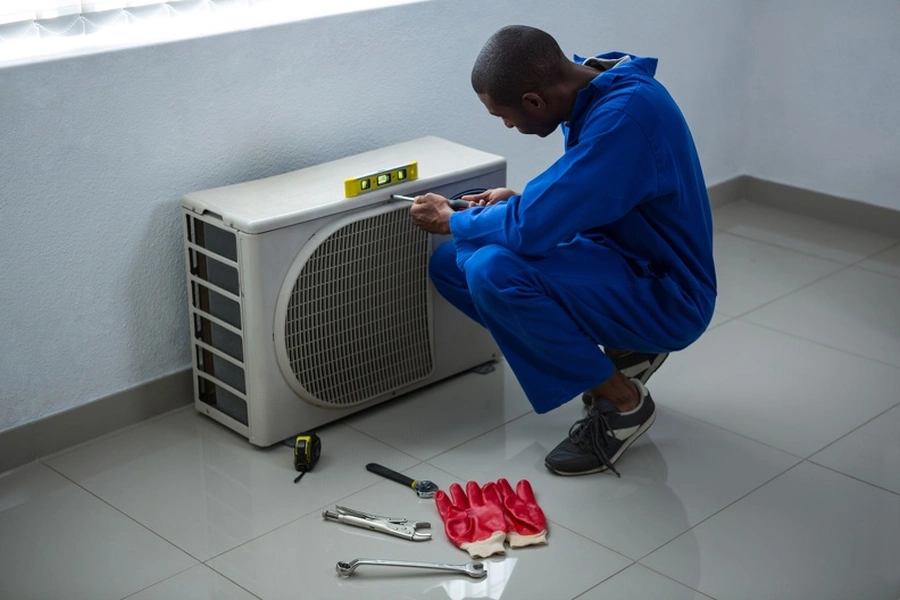
Why Prevention Matters
Your air conditioner works hard, especially during hot summers. If one part struggles, other parts work harder to keep up. This added stress can cause overheating, frozen coils, or compressor failure. The compressor is one of the most expensive parts to replace. Many major repairs start as small, simple fixes that were ignored.
Routine air conditioning repair keeps your system balanced. It protects key parts and helps your equipment reach its full lifespan. Think of it like changing the oil in your car. Small service visits can prevent big mechanical trouble later.
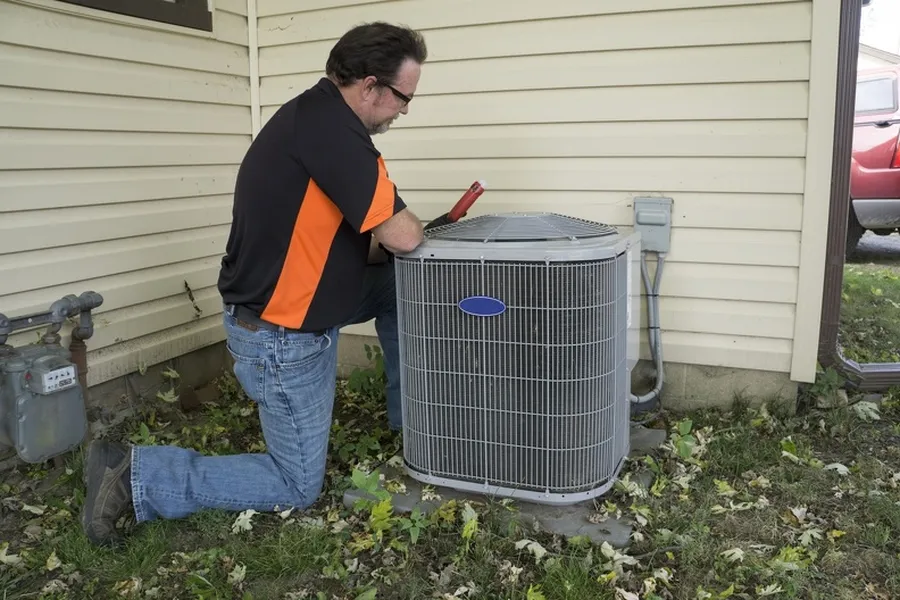
Early Warning Signs to Watch For
Most systems show signs before a serious breakdown. The key is to act fast. Watch for these common red flags:
- Warm air blowing from vents
- Weak airflow in certain rooms
- Strange noises like grinding or buzzing
- Frequent cycling on and off
- Higher energy bills without more usage
- Water leaking around the unit
These signs may point to dirty coils, low refrigerant, failing motors, or electrical problems. Fixing them early can prevent total system failure.
Seasonal Maintenance Checklist
Regular checkups reduce the risk of surprise repairs. A simple maintenance plan keeps your system strong year-round. Here is a basic seasonal checklist:
- Replace or clean air filters every 1 to 3 months.
- Clear debris around the outdoor unit.
- Inspect thermostat settings and battery life.
- Check for unusual sounds when the system starts.
- Schedule a professional inspection before peak season.
During a professional visit, a technician checks refrigerant levels, electrical connections, coils, and moving parts. This type of HVAC service helps catch hidden wear before it spreads.
Best Practices for Long-Term Results
Simple habits make a big difference. Keep vents open and unblocked by furniture. Seal air leaks around doors and windows. Use ceiling fans to support airflow. Do not ignore short cycling or rising humidity indoors.
It also helps to keep your outdoor unit clean. Leaves, dirt, and grass clippings can block airflow and trap heat. When the system overheats, parts wear down faster.
Another smart step is upgrading old thermostats to programmable models. Steady temperature control reduces strain on the system. Less strain means fewer breakdowns.
What Not to Do
Many major system failures happen after homeowners attempt quick DIY fixes. Avoid these common mistakes:
- Running the unit with low refrigerant
- Ignoring electrical burning smells
- Skipping annual inspections
- Using the wrong air filter size
- Letting ice build up on coils
Low refrigerant does not just reduce cooling. It can damage the compressor. Electrical issues can harm control boards or wiring. Waiting too long often turns a minor repair into a full system replacement.
When to Schedule Professional Help
Call for air conditioning repair if your unit stops cooling properly, trips breakers, or makes loud metal sounds. These problems often signal deeper trouble inside the system. A trained technician has the tools to test pressure levels, inspect wiring, and measure airflow safely.
Yearly inspections are also a smart move, even if your system seems fine. A small capacitor replacement today may prevent a burned-out motor next month. Prevention always costs less than emergency service.
Protect Your Cooling System in Natchez, MS
Staying proactive with repairs can save you from sudden breakdowns during the hottest days in Natchez, MS. At Mighty Services, we work as a team to catch problems early and keep cooling systems running strong. If your system is showing signs of wear or just needs a seasonal check, call (601) 236-8259 and let us help protect your home from major AC failures.